




Jewelry Packaging Trends in 2026: What Brands Are Actually Choosing
Jewelry packaging is no longer just about holding a product — it has become an extension of how brands present themselves.
Looking at recent order patterns across different packaging types, a few clear directions are emerging. Instead of focusing on individual products, these patterns reveal how jewelry brands are actually choosing packaging today — and what matters most in their decisions.
🧩 Key Trends Right Now
• Soft-touch microfiber materials are becoming the dominant choice
• Structured pouch designs are replacing basic flexible bags
• Drawstring pouches remain relevant, but in a supporting role
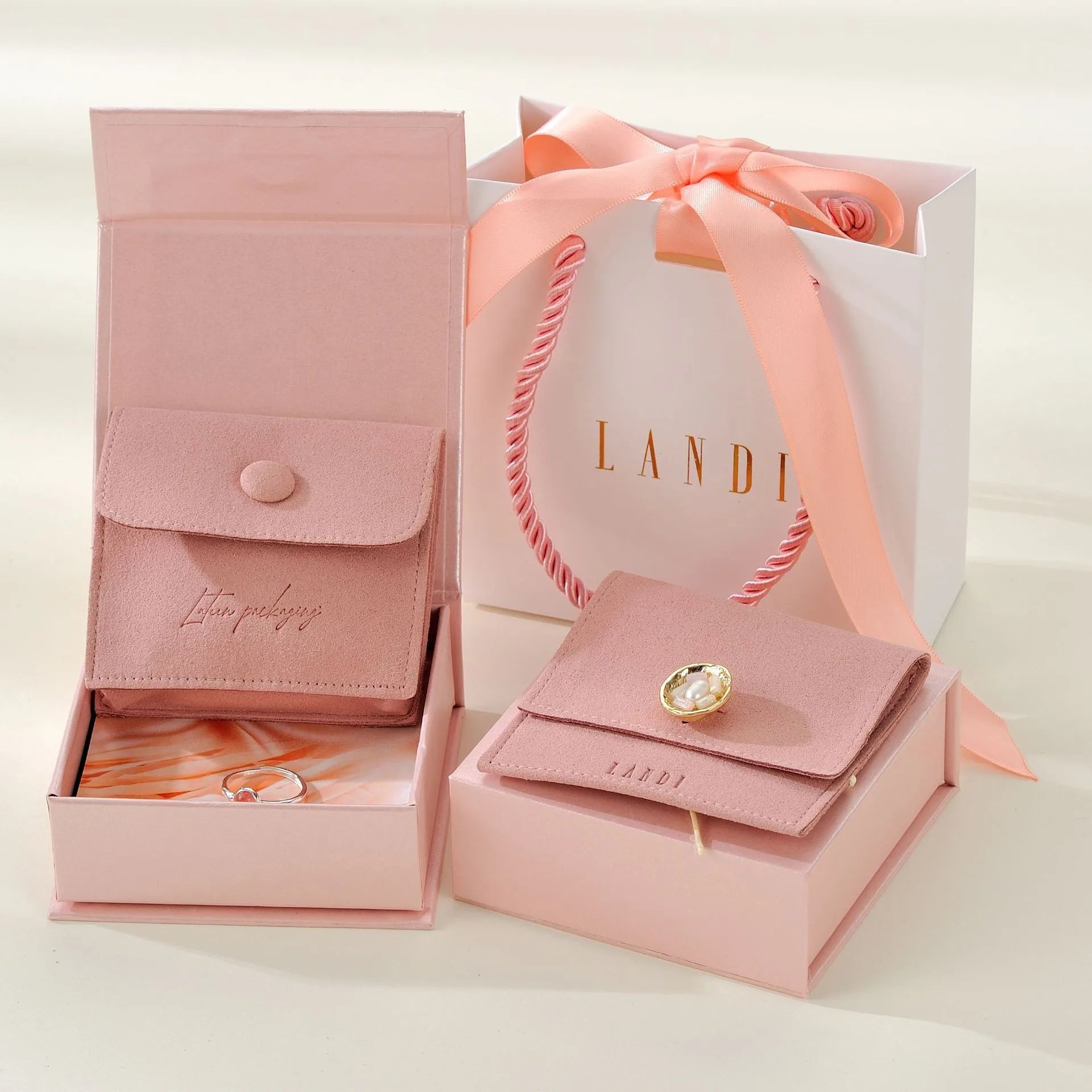
• More brands are moving toward complete packaging systems
🧩 1. Microfiber Is Becoming the Standard
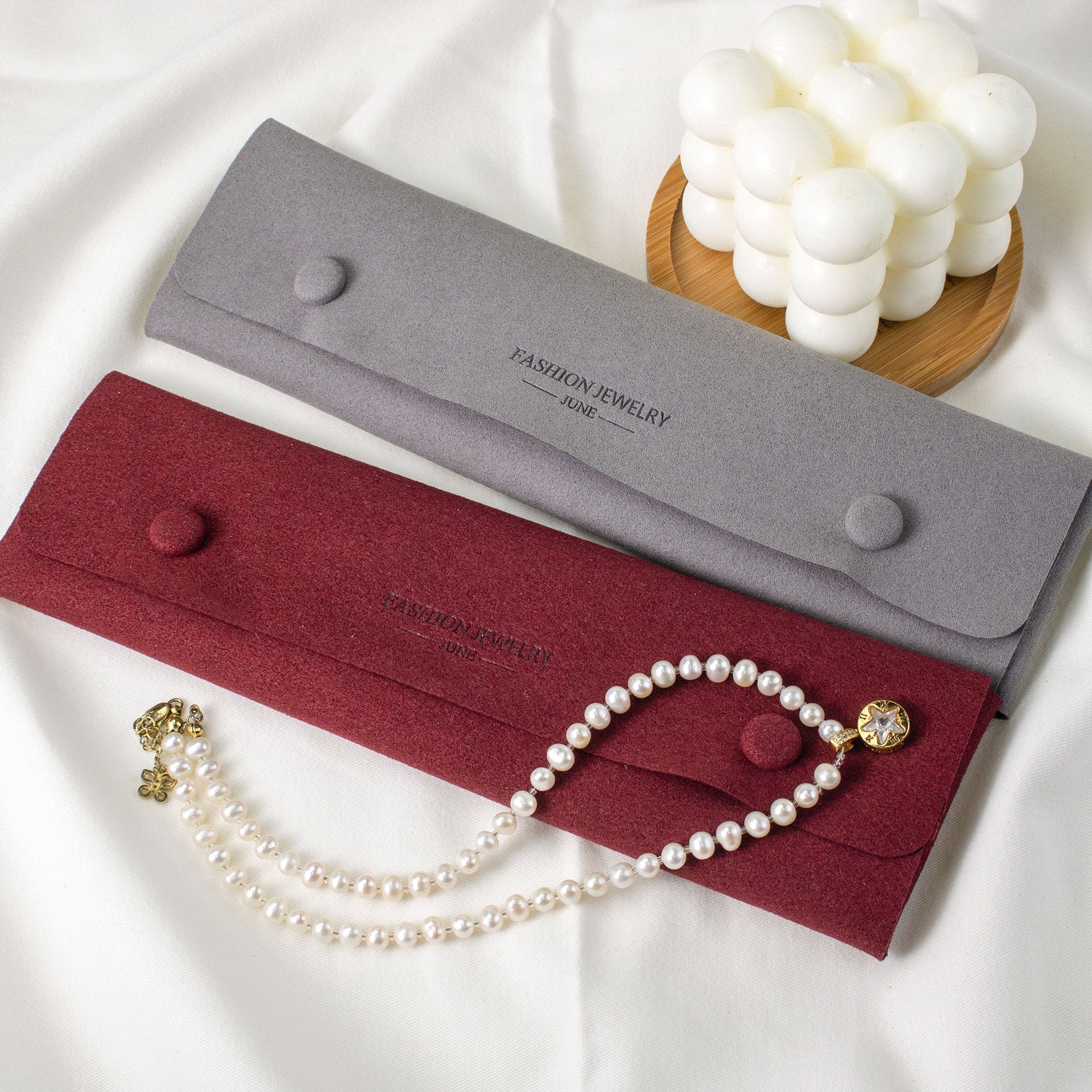
Across multiple product types, microfiber has clearly become one of the most preferred materials for jewelry packaging.
Its soft, suede-like texture offers a more refined feel compared to traditional materials like velvet or satin, while also providing better structure for debossed logos and clean presentation.
For many brands, microfiber packaging strikes the right balance between protection, branding, and modern aesthetics — making it a reliable choice for both everyday packaging and gift-ready presentation.
Envelope-style microfiber pouches are especially popular for ring presentation and gift packaging, representing one of the most commonly requested microfiber jewelry pouch designs across brands.
🧩 2. Structured Pouches Are Replacing Basic Bags
There is a noticeable shift from simple drawstring bags to more structured pouch designs.
Styles such as button-closure pouches and envelope-style pouches are becoming increasingly popular, along with other structured formats like tuck-in designs. These designs create a more intentional opening experience and make the packaging feel closer to a “product” rather than just a container.
This reflects a broader trend: packaging is no longer just functional — it is part of how jewelry is presented and perceived.
One of the most requested styles is the round-top button pouch, valued for its clean structure and secure closure.
🧩 3. Drawstring Pouches Still Matter — But Differently
While structured designs are gaining traction, drawstring pouches continue to play an important role.
However, their use is shifting. Instead of being the primary packaging choice, they are more commonly used for bulk storage, secondary packaging, or flexible use cases.
For brands handling larger volumes or varied product lines, drawstring styles remain a practical and cost-efficient solution.
🧩 4. Packaging Is Becoming a System, Not a Single Item
Another clear shift is the move toward integrated packaging systems.
Instead of purchasing individual items, more brands are combining pouches, boxes, and paper bags to create a cohesive packaging setup. Starter sets, drawer boxes, and travel cases are becoming more common as brands look for consistency across their product lines.
This approach allows packaging to support both protection and brand presentation — from storage to display to final delivery.
🧩 5.How These Packaging Styles Compare
Each packaging style serves a different purpose depending on how the jewelry is presented and delivered.
• Envelope Pouches → Best for creating a refined, gift-ready presentation
• Button Pouches → Balance between presentation and secure handling
• Drawstring Pouches → Practical choice for flexibility and larger volumes
Here’s a quick comparison for reference:
| Type | Best For | Key Advantage |
|---|---|---|
| Envelope Pouch | Rings / gifting | Refined presentation |
| Button Pouch | Daily packaging | Secure closure |
| Drawstring Pouch | Bulk / sets | Flexible & cost-efficient |
🧩 6. Paper Bags Play a Supporting Role
Paper bags also remain a consistent part of packaging orders, especially for retail-ready presentation.
However, their role is typically complementary rather than primary. While pouches and boxes define how jewelry is protected and presented, paper bags serve as the final layer — completing the packaging experience and supporting brand presentation at the point of delivery.
This explains why they often see higher repeat orders: they are replenished more frequently as part of ongoing operations.
🧩 7.What This Means for Jewelry Brands
Overall, jewelry packaging is evolving from a simple necessity into a more strategic part of branding.
As customer expectations continue to rise, packaging choices are increasingly driven by how they feel, how they look, and how well they align with a brand’s identity.
Brands looking to align with these trends often explore combinations of microfiber pouches, jewelry boxes, and paper bags to build a cohesive packaging system.


