




Jewelry Box Structures: How Box Design Shapes Brand Presentation
Jewelry boxes may look simple at first glance, but the way a box opens can change the entire packaging experience. For jewelry brands, boutiques, handmade sellers, and online stores, the box structure affects not only how the jewelry is protected, but also how it is presented when the customer opens it.
Among different jewelry box styles, flip lid boxes, lid and base boxes, and drawer boxes are three common options. Each structure creates a different feeling, and each one can be adapted into different designs depending on the product, brand style, and packaging purpose.
Flip Lid Jewelry Boxes
A flip lid jewelry box opens from the top, with the lid attached to the base. This structure creates a direct and simple opening experience. When the lid is lifted, the jewelry is displayed immediately inside the box.
This makes flip lid boxes a practical choice for rings, earrings, pendants, necklaces, and small jewelry sets. The attached lid keeps the box easy to use, while the inside pad or insert helps hold the jewelry in place.
Flip lid boxes often feel clean, compact, and familiar. They work well for brands that want a jewelry box that is easy to handle, easy to display, and suitable for daily packaging or custom logo presentation.
Common Flip Lid Box Styles
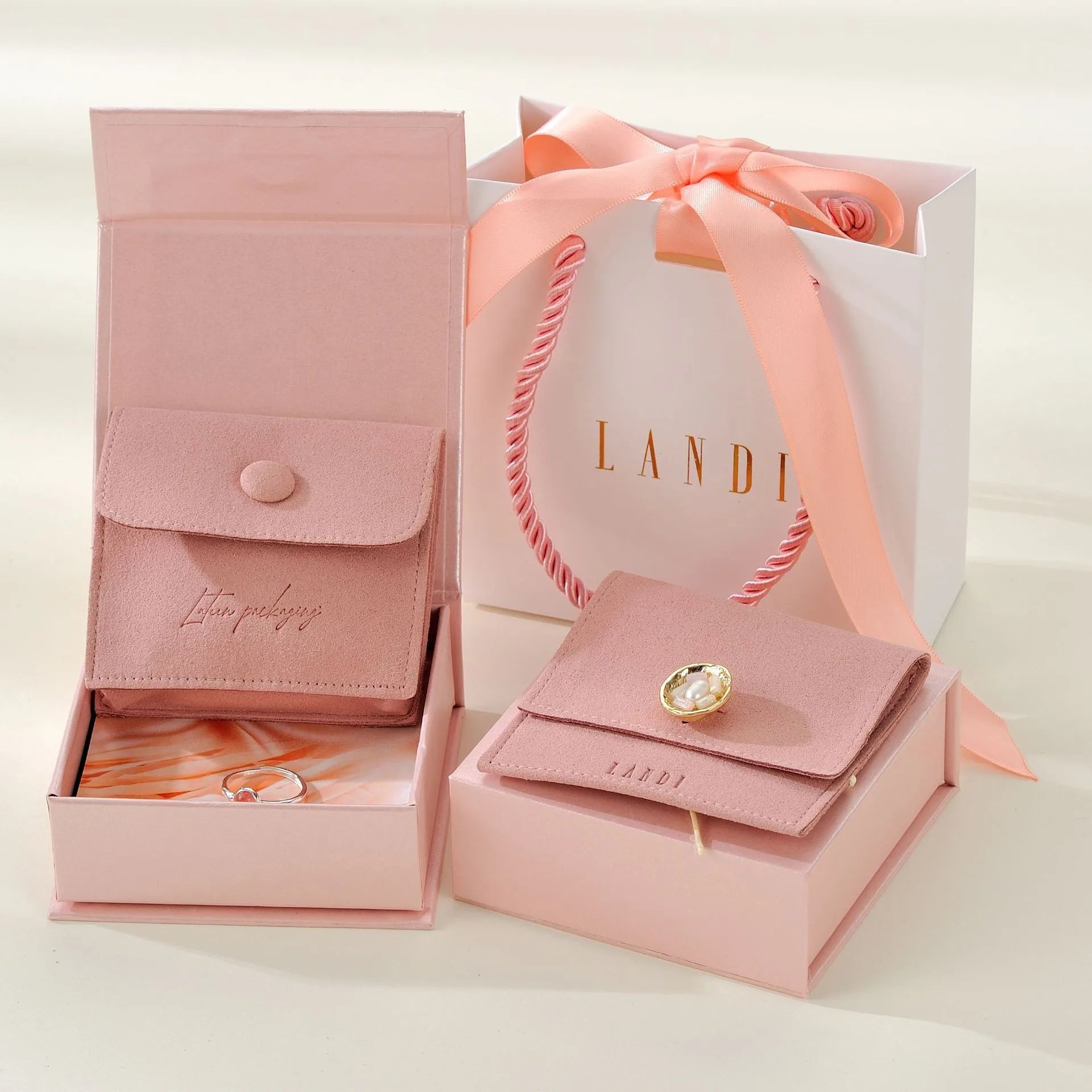
The most common flip lid jewelry box is the classic ring box. It usually has a compact shape and a soft insert that keeps the jewelry centered inside the box. When opened, the box creates a clear focal point for the piece, giving the packaging a neat and direct presentation.
Besides classic ring boxes, some flip lid boxes use a magnetic closure. The magnet adds a more secure closing detail while keeping the outside of the box clean and simple. This style gives the box a slightly more structured feel without changing the basic flip lid design.
Another common option is a ribbon-tie flip lid box. This style keeps the same top-opening structure, but adds a ribbon tie closure to the front or side of the box. The ribbon becomes part of the opening detail and gives the box a softer, more finished look.
These variations keep the same flip lid structure, but small closure details can change how simple, structured, or decorative the box feels.
Lid and Base Jewelry Boxes
Compared with flip lid jewelry boxes, lid and base boxes create a stronger sense of occasion when opened. The upward motion of lifting the top lid off the base gives the packaging a stronger sense of structure and makes the jewelry reveal feel more formal.
This style is especially suitable for jewelry pieces that need a stronger presentation effect, such as rings, earrings, necklaces, bracelets, and small jewelry sets. It also works well when the brand wants the box itself to feel more solid and refined.
Lid and base boxes are commonly used for custom rigid paper jewelry boxes, textured paper boxes, and luxury-style packaging.
Common Lid and Base Box Styles
Lid and base jewelry boxes can be roughly divided into two styles.
The first is a full-cover lid style, where the top lid is slightly larger than the base and covers the lower part of the box. This creates a thicker and more substantial appearance. The box feels solid, classic, and more formal, giving the packaging a stronger sense of weight and presence.
The second is a shoulder-style lid and base box, where part of the inner structure remains visible between the lid and the base. Compared with the full-cover style, this design feels cleaner and more refined. The visible middle section adds a subtle structural detail, making the box look simple but not plain.
Both styles keep the same lid-and-base opening method, but the way the lid sits on the base changes how solid, refined, or minimal the box feels.
Drawer Jewelry Boxes
A drawer jewelry box uses a sliding structure, with an inner tray that pulls out from an outer sleeve. This creates a smooth reveal effect when the box is opened.
Compared with flip lid boxes and lid and base boxes, drawer boxes often feel more modern and interactive. The sliding motion makes the opening process feel more designed, while the outer sleeve keeps the overall shape neat and compact.
Drawer boxes are suitable for necklaces, earrings, bracelets, rings, watches, and jewelry sets. They are also easy to stack, store, and arrange, making them practical for wholesale jewelry packaging, online orders, boutique packaging, and custom logo boxes.
Common Slide-Out Drawer Jewelry Box Styles
Slide-out drawer jewelry boxes usually share the same sliding structure, so the style differences mainly come from the pull design, handle detail, box proportion, and overall presentation.
One common style is a slide-out drawer box with a front pull. The pull can be made with a small ribbon tab or a round knob. A ribbon pull gives the box a softer and more understated detail, while a round knob pull adds a more polished and refined touch.
To give the packaging a more complete form, the ribbon-handle slide-out drawer box adds a handle-style ribbon to the drawer structure, giving the box a fuller silhouette while keeping its distinctive slide-out opening. The ribbon handle adds a more refined presentation, making the box feel less like a simple container and more like a finished branded package.
Slide-out drawer boxes can also vary by box proportion. A square layout gives the box a compact and balanced look, while a longer layout creates a more horizontal presentation. This changes the visual rhythm of the box and the way the packaging is displayed.
These styles keep the same slide-out structure, but details such as the front pull, ribbon handle, and box proportion can change how simple, refined, or display-focused the box feels.
Which Jewelry Box Style Should You Choose?
The right jewelry box style depends on the kind of brand presentation you want to create. Each structure changes the way the jewelry is revealed, displayed, and experienced.
A flip lid box keeps the presentation simple and direct. The attached lid makes the opening easy, and the jewelry is shown clearly as soon as the box is opened. This structure works well when the brand wants a clean, compact, and familiar packaging style.
A lid and base box creates a more classic and structured presentation. The upward lifting motion gives the opening a stronger sense of occasion, while the solid box form makes the packaging feel more formal and refined.
A slide-out drawer jewelry box adds a smoother reveal effect. The jewelry is not shown all at once, but gradually appears as the inner tray is pulled out. This makes the packaging feel more layered, interactive, and display-focused.
In the end, the choice is less about which box style is better, and more about what role you want the packaging to play in your brand presentation. A simple opening keeps the focus clear, a structured box adds presence, and a slide-out design creates a more layered reveal.
Final Thoughts
Small structural differences can change how a jewelry box presents your brand. A flip lid box keeps the opening simple and direct, a lid and base box adds structure and presence, and a slide-out drawer box creates a more layered reveal.
The best choice depends on how you want the packaging to support your jewelry and shape the customer’s first impression. Whether the box feels clean, formal, or more display-focused, the structure should work with your brand style rather than just hold the product.
—Need help choosing the right jewelry box style?
Send your logo or packaging needs to support@siliice.com, and we’ll help you find a box style that fits your brand.


